
Top Signs You Need Therapy for Anxiety and Depression in London
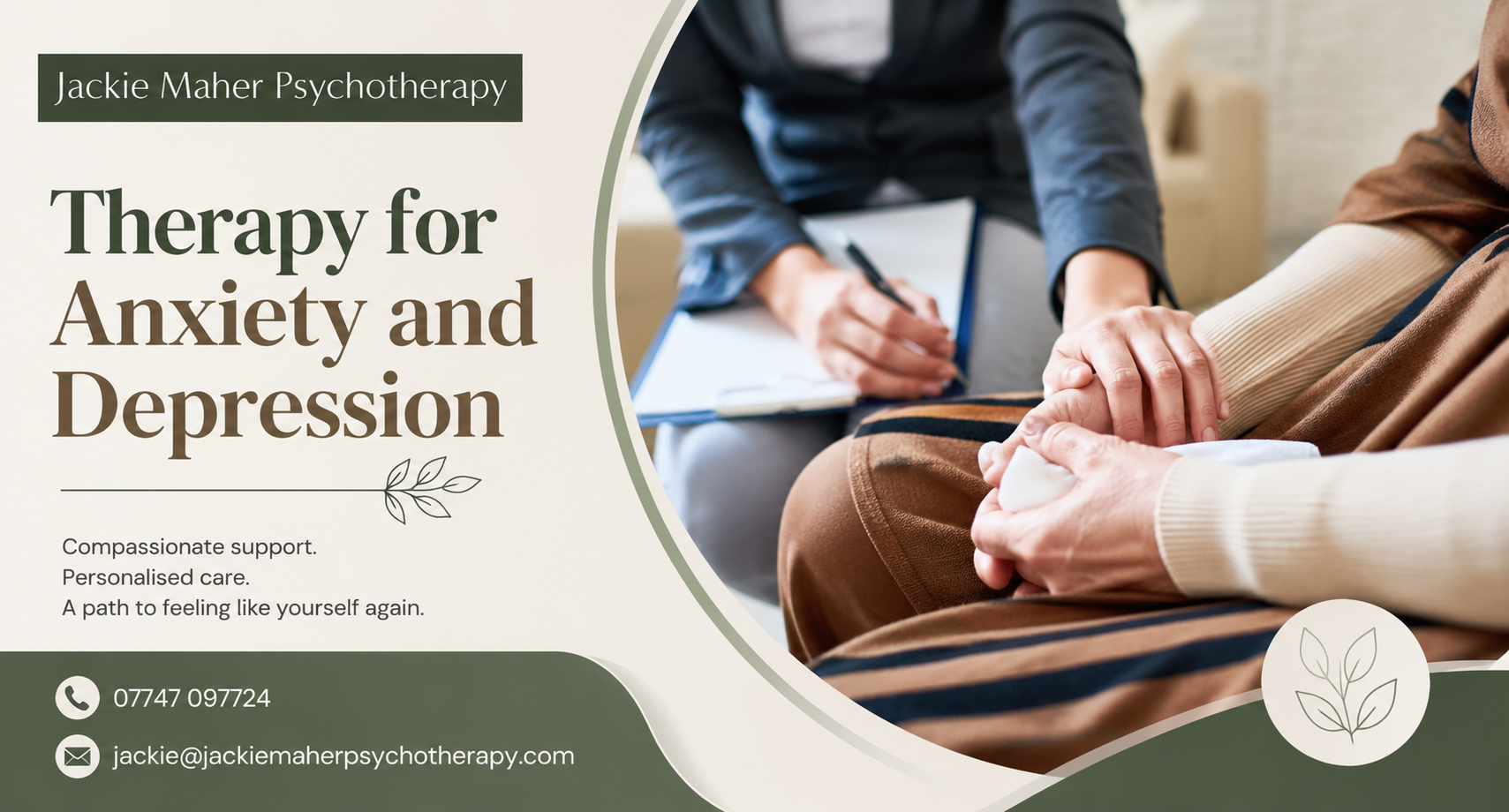
In today’s overwhelming and fast-paced world, mental health conditions have become increasingly common in London and other areas in the UK. The complexities of modern life, with personal struggles, can create a perfect storm of stress, anxiety, and emotional distress, which may indicate underlying mental conditions.
It is normal to experience ups and downs in life, but there are times when the weight of life experiences becomes too heavy to bear alone. This is where professional therapy for anxiety and depression in London takes place.
Hi! I am Jackie Marther, and I work with adults, couples, and professionals seeking clarity and meaningful change in person. But the question is, how do you know that you need professional attention? Well, there will be signs. In this blog, we will explore when seeking the support of a professional could be a transformative decision.
When You Should Seek Therapy for Anxiety and Depression
Let’s find it!
Persistent Feelings of Sadness and Hopelessness
Experiencing moments of sadness is quite a natural part of the human experience. The disappointments, setbacks, and losses of life can all trigger feelings. When these feelings appear without an apparent cause, it may signal deeper mental health concerns, affecting daily routines, relationships, and overall well-being. Through my specialised psychotherapy services in London, you can explore those emotional challenges in healthier ways.
Difficulty Managing Stress
Stress is an unavoidable part of life, but unmanaged or chronic stress can have severe consequences on both mental and physical health. When the pressures of work, finances, relationships, or other life aspects become overwhelming, it is crucial to have effective coping mechanisms in place.
My approach focuses on creating a safe space where you can understand your responses to pressure and learn techniques to manage anxiety and stress more confidently.
Trouble in Relationships
Healthy relationships are fundamental to your well-being and happiness. Interactions with family members, friends, romantic partners, or colleagues shape your daily experiences and sense of self. Understanding how therapy can help in addressing anxiety allows clients to improve self-awareness, express emotions clearly, and create stronger connections with those who matter most.
Unexplained Physical Symptoms
The mind-body connection is powerful, and emotional distress can manifest in physical symptoms. Common symptoms include migraines or chronic headaches, stomach aches, fatigue or low energy, and skin problems or rashes. By identifying underlying emotional concerns, I guide you towards better self-care, improved awareness, and practical methods for managing distressing experiences.
Loss of Interest in Activities
The loss of interest in previously enjoyable activities is a hallmark symptom of depression. When hobbies, social interactions, or daily routines feel like chores, it is a clear sign that something is amiss. It may indicate deeper emotional challenges. I provide compassionate support to help you reconnect with your interests, strengths, and personal goals.
When you recognise the need for therapy, it is a significant step towards better mental health and overall quality of life. Keep in mind that seeking help is not a sign of weakness; it is a demonstration of strength and self-awareness. Therapy is not just for crises; it can be a valuable tool for personal growth, self-discovery, and maintaining good mental health. Feel free to contact me and explore suitable therapy sessions.
FAQs:
When should I consider therapy for anxiety and depression?
Consider therapy when persistent sadness, stress, anxiety, or emotional struggles begin affecting daily life and relationships.
Can therapy help with relationship difficulties and emotional challenges?
Yes, therapy improves self-awareness, communication skills, and emotional understanding to build healthier, stronger relationships.
Are physical symptoms linked to emotional distress?
Yes, emotional distress can cause physical symptoms like headaches, fatigue, stomach issues, and skin problems.