
Therapy for Anxiety and Depression in London: An Effective Way to Win the Battle
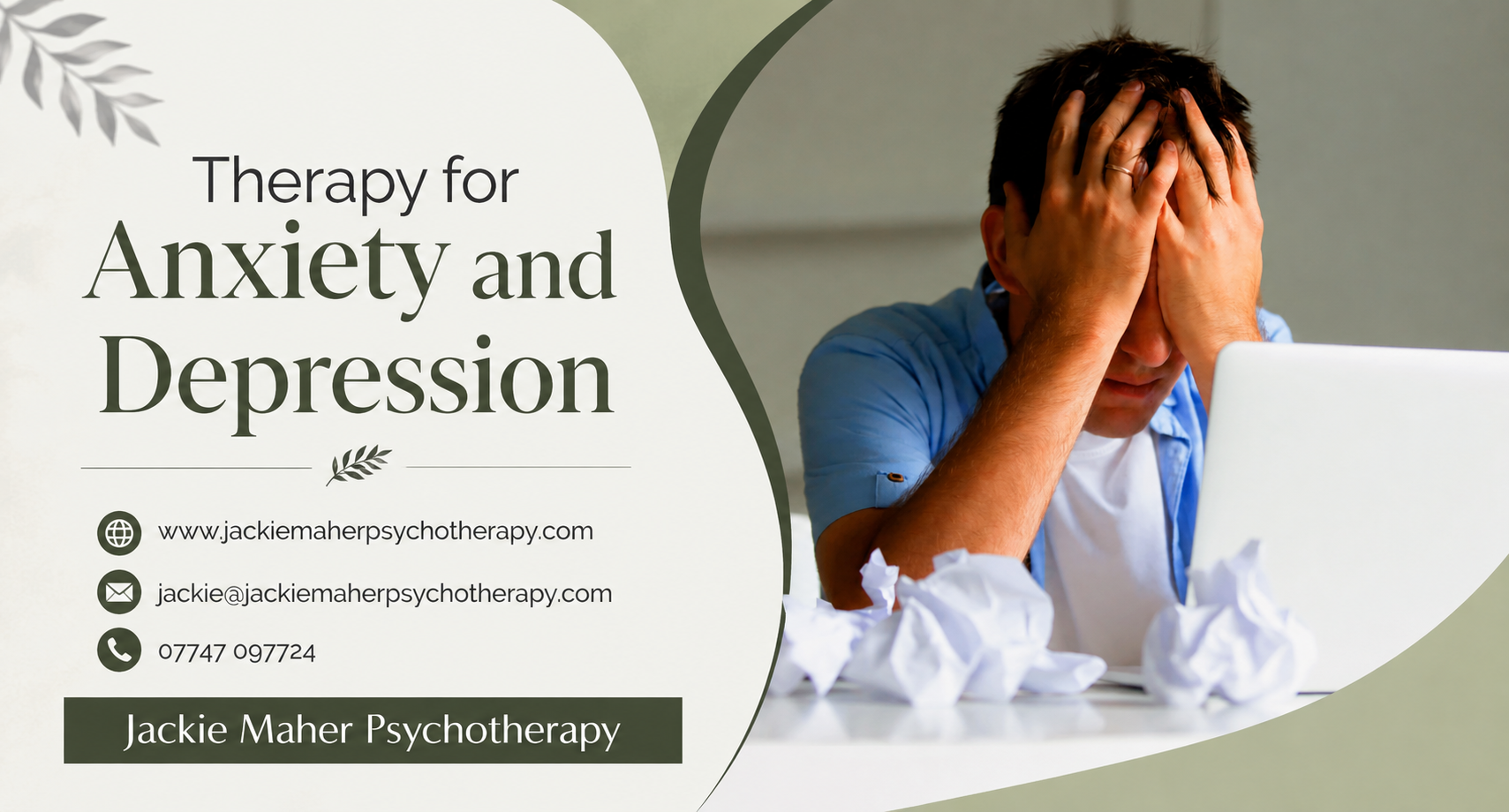
In today’s fast-paced world, anxiety and depression have become increasingly common mental health challenges. Personal struggles, stressful work environments, societal pressures, and even global crises can trigger persistent feelings of sadness, worry, and hopelessness.
Well, many people attempt to cope on their own. But professional therapy for anxiety and depression in London can be a transformative solution with which you can regain balance, build resilience and enhance your overall well-being. In this blog, we will explore anxiety and depression, how therapy helps and when you should seek therapy.
Understanding Anxiety and Depression
Anxiety is more than occasional worry; it is a persistent feeling of nervousness, fear, and apprehension that interferes with daily life. Key symptoms include irritability, restlessness, rapid heartbeat, difficulty concentrating, and sleep disturbances.
On the other hand, depression is marked by prolonged sadness, fatigue, loss of interest in activities, feelings of worthlessness, and sometimes even physical pain. Depression significantly affects your thoughts, emotions, and behaviour and can also reduce the quality of life.
People experiencing anxiety may feel overwhelmed by constant worry, which can lead to depressive symptoms over time. Understanding these disorders is the first step toward seeking help and healing. Through my professional mental therapy services in London, I explore the underlying causes of emotional distress and tailor therapy to your unique experiences.
Reasons to Seek Therapy for Anxiety and Depression
Here you go!
Emotional Awareness
Understanding your emotions is one of the first steps towards healing. Therapy provides a safe, confidential environment where you can express thoughts and feelings without judgement. As an integrative psychotherapist, I can help you identify and articulate emotions that may feel confusing or overwhelming.
Coping Strategies
Though anxiety and depression are the most common mental health conditions, they affect every person differently. This is why personalised coping techniques are so valuable. During my therapy sessions, I help you develop practical strategies and tools with which you can manage stress, reduce anxiety attacks, and prevent depressive episodes.
Improved Relationships
Anxiety and depression can place strain on relationships with partners, family members, friends, and colleagues. But therapy fosters better communication, empathy, and conflict resolution and enhances your personal and professional relationships.
Enhanced Self-Esteem
Negative thinking often damages confidence and self-worth. By understanding and challenging your negative self-perceptions, I help you build confidence and self-worth. As your confidence grows, you may find it easier to pursue personal goals, make decisions, and embrace diverse opportunities.
Prevention of Relapse
Recovery is an ongoing journey rather than a single achievement. Long-term therapy equips you with strategies to manage future episodes and maintain emotional stability. My expert therapy helps you recognise warning signs before they become overwhelming.
When to Seek Therapy for Anxiety and Depression
You might wonder: How do you know that you need therapy for anxiety and depression? Well, there will be signs. Common signs you need therapy for anxiety and depression include:
Difficulty maintaining responsibilities
Strained personal relationships
Persistent negative thoughts and hopelessness
Sleep disturbances and appetite changes
Suicidal thoughts
If these experiences are affecting your quality of life, seeking professional support can be an important step towards recovery. Early intervention can prevent symptoms from worsening and support long-term mental well-being. Contact me today to move towards greater emotional balance and resilience.
FAQs:
How can therapy help with anxiety and depression?
Therapy provides personalised coping strategies, emotional support, and practical techniques to manage symptoms while improving overall mental well-being.
When should I consider seeking therapy for anxiety and depression?
Seek therapy when persistent sadness, anxiety, sleep problems, or daily challenges begin affecting relationships, work, or overall quality of life.
What can I expect during therapy sessions for anxiety and depression?
Therapy sessions offer a confidential, supportive space to explore emotions, identify triggers, develop coping skills, and build lasting emotional resilience.