
Impact of Burnout and Chronic Stress and How Therapy Can Help
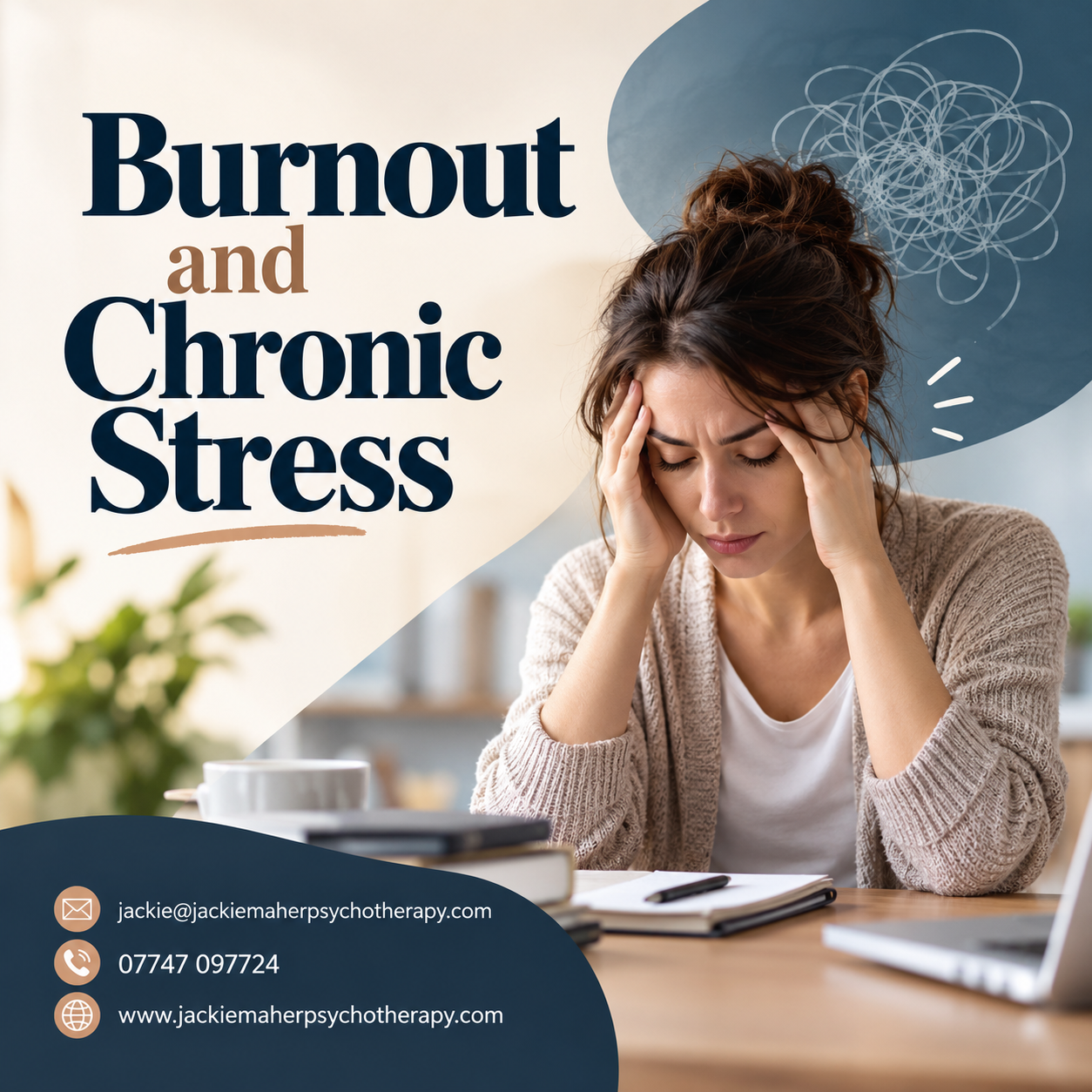
Summary: Burnout and chronic stress can affect physical health, emotional well-being, relationships, and work performance. Recognising the warning signs early is important. Therapy provides a supportive space to understand stress triggers, develop healthier coping strategies, set boundaries, and restore balance in everyday life.
In today’s fast-paced world, stress has become a common part of daily life due to work pressures, financial worries, or personal responsibilities. It can take a toll on both your mental and physical well-being. Short-term stress can keep you motivated and alert, but chronic or overwhelming stress can lead to burnout.
It not only affects productivity and motivation but also has severe consequences on overall health and relationships. This is where therapy for burnout and chronic stress comes in to help you understand these feelings and find healthier ways to cope. In this blog, we will explore how these stressors can affect your overall well-being and how expert therapy can help.
How Burnout and Chronic Stress Affect Your Well-Being
Physical Health Consequences
When stress becomes chronic, you will get a weakened immune system, which makes you more susceptible to colds and other infections. The fight-or-flight response of your body remains activated for extended periods, leading to increased levels of cortisol and other stress hormones. You can also experience digestive issues, muscle pain, headaches, and disrupted sleep patterns. Long-term stress can affect both physical and mental health. Recognising these signs early can help you decide when to seek professional support.
Mental and Emotional Well-Being
Stress and burnout don’t just affect the body; they also have profound psychological consequences. If you are struggling with chronic stress, you may experience increased anxiety and worry, depression, emotional numbness, reduced cognitive function, and lowered self-esteem. Through specialised psychotherapy services, you can explore the underlying pressures, understand recurring thought patterns, and develop healthier ways to respond to difficult emotions.
Relationships and Social Life
Stress and burnout can negatively affect personal and professional relationships. It leads to increased irritability and conflicts, emotional withdrawal, and isolation. It can be said that when stress dominates daily life, relationships may suffer due to lack of emotional availability, leading to misunderstandings or resentment from loved ones.
Work Performance and Career Impact
Since burnout is often associated with professional life, its impact on work performance can be significant. Constant pressure at work can affect concentration, decision-making, productivity, and confidence. As an integrative psychotherapist, I help you explore the personal patterns and expectations that may contribute to work-related stress. My expert therapy can support you in understanding perfectionism, managing pressure, and finding a more sustainable balance between professional responsibilities and personal life.
When You Need Therapy for Burnout and Chronic Stress
You do not need to wait until you feel completely overwhelmed before seeking help. It can be beneficial to seek professional help when stress and burnout start affecting daily life. Only a professional psychologist can offer evidence-based techniques to help manage stress, set healthy boundaries, and build resilience. I offer a supportive environment where you can explore your experiences at your own pace. Together, we can work towards greater self-awareness, healthier coping strategies, and meaningful changes in your daily life.
The right psychologist can be a valuable resource for individuals struggling with chronic stress and burnout. You will get a safe, non-judgmental space to explore the underlying causes of stress and burnout, develop healthier coping mechanisms, and create a personalised recovery plan. Call us at +44 (0)7747 097724 to discuss your needs and arrange an initial consultation.
FAQs:
1. What are the common signs of burnout and chronic stress?
Common signs include persistent fatigue, headaches, sleep disturbances, anxiety, emotional numbness, reduced concentration, irritability, and declining work performance.
2. How can therapy help with burnout and chronic stress?
Therapy helps identify stress triggers, develop healthier coping strategies, establish boundaries, improve emotional well-being, and build resilience.
3. When should you seek therapy for burnout and chronic stress?
Seek therapy when persistent stress affects your daily activities, relationships, sleep, emotional health, or ability to manage work responsibilities.